Embarking on a long-distance road trip, exploring national parks, and living an off-grid lifestyle inside a recreational vehicle (RV), motorhome, or camper trailer represents the ultimate sense of travel freedom. Waking up next to pristine mountain rivers, dense forest reserves, or scenic coastal horizons is an experience unmatched by traditional hotel stays. However, any experienced overland traveler knows that this mobile freedom comes with a persistent and highly aggressive seasonal challenge: managing localized insect invasions inside compact living spaces.
Because campers are constantly transitioning in and out of their vehicles near heavily wooded areas, lakeside campgrounds, and damp grasslands, maintaining an absolute barrier against mosquitoes, blackflies, and midges is an ongoing struggle. When night falls and internal cabin lighting is activated, a single unsealed gap or an open entry door can pull hundreds of biting pests inside your compact kitchen and bedding areas in under five minutes. To safeguard your mobile lifestyle without turning your small trailer cabin into a toxic chemical cloud, implementing a calculated physical defense framework is vital. Let’s evaluate how to effectively mosquito-proof your camper vehicle this season using clean, advanced physical strategies.
🚐 The Compact Living Reality: The Danger of Indoor Toxins
In highly compact vehicular living quarters, internal air volume is severely limited compared to a standard suburban house. Discharging commercial chemical aerosols, burning pesticide mats, or running heavy liquid vaporizers inside an enclosed RV trailer means breathing in concentrated toxic molecules all night long. This can quickly cause severe throat irritation, morning headaches, and long-term respiratory strain, especially for young children and domestic travel pets.
Step-by-Step Mobile Insulation Protocol
1. Inspect Perimeter Door and Window Screen Integrity
The primary point of entry for flying pests is a damaged or poorly sealed window screen frame. Before launching your next extended road trip, systematically evaluate every mesh screen panel, ceiling exhaust vent, and slide-out seal. Microscopic midges and gnats can squeeze through tiny screen gaps effortlessly. Utilize dense micro-mesh patching materials to seal any localized tears, and ensure your main screen door closes completely flush against its weather-stripping frame with no visible space left along the perimeter.
2. Deploy Automated 365nm Biophysical Traps
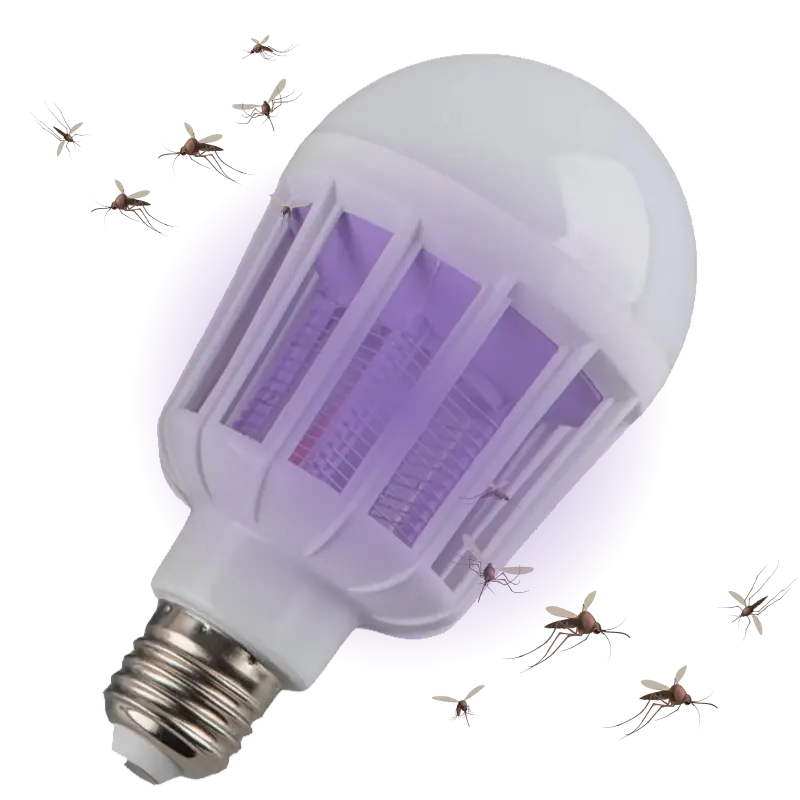
Bypassing volatile chemical repellents inside a compact camper requires an appliance engineered around clean light physics. Advanced solid-state light traps, led globally by the viral Mosqinux Killamp, replace generic light elements with an optimized LED core tuned precisely to a narrow 365nm UV-A wavelength. In vector biology, this precise narrow frequency mimics mammalian body warmth profiles and metabolic signatures perfectly.
To an insect navigating your dark camper cabin or outdoor awning area, the glowing bulb serves as an absolute homing beacon, systematically pulling them away from your skin. Once the pests fly past the protective boundaries, an enclosed internal electrostatic field neutralizes them instantly and painlessly, without creating loud popping explosions or releasing unpleasant chemical odors into your compact sleeping environment.
🔋 Secure Your 50% Off Off-Grid Travel Promo
Protect your next overlanding journey or family RV vacation from aggressive wilderness swarms without breathing in hazardous chemical sprays. Claim your genuine, factory-certified Mosqinux Killamp today at an exclusive 50% Online Discount Markdown, fully protected by an unconditional 30-day trial and 100% free international shipping with live tracking updates.
Claim Your 50% Off RV Shield Here →3. Optimize Your Cabin's Internal Airflow Currents
Mosquitoes possess remarkably light body mass metrics and are fragile, inefficient flyers who struggle to navigate active wind currents. Keeping your RV’s overhead exhaust fans or portable 12V bedside fans running on high speed creates an active aerodynamic barrier. The steady turbulence makes it highly complex for insects to stabilize their flight paths or accurately track human carbon-dioxide footprints inside the vehicle.
4. Manage Exterior Awning Lighting Strategically
The yellow or white entry lights installed on the exterior of most factory motorhomes act as massive visual magnets for local bug colonies at night. When you open your main door to step inside, those hovering swarms instantly rush past you into the dark cabin. Upgrade your exterior step lighting to specialized low-attraction frequencies, and place your primary 365nm UV attraction trap slightly away from the door frame to misdirect pests completely.
Ultra-Low Draw for Sustainable Off-Grid Power Conservation
When running multiple electronic components off an RV house battery bank, portable solar setup, or localized auxiliary generator, total power efficiency is a critical parameter. Traditional heavy-duty electronic lanterns require heavy transformers that drain power quickly. Operating via advanced micro-circuitry, the total continuous consumption of the Killamp stays capped at an ultra-efficient 5W baseline, allowing you to run a permanent defensive shield all night long without impacting your battery reserve metrics.
Furthermore, structural safety is built straight into the design. The internal electrostatic zapping element is deeply recessed beneath an impact-resistant, ultra-dense protective outer structural cage. The guard openings are mathematically optimized to let tiny mosquitoes pass through effortlessly while ensuring that children's fingers, curious dog noses, or cat paws can never physically contact the live grid, delivering total peace of mind alongside top-tier air safety.
Conclusion
When evaluated through modern overlanding safety, respiratory health, and energy conservation standards, continuing to rely on hazardous chemical sprays or smoky coils inside a tightly sealed vehicle cabin is an unnecessary compromise. Upgrading your mobile lighting infrastructure with advanced, energy-efficient 365nm UV-A light traps like the Mosqinux Killamp represents the cleanest and most practical choice for RV and camper travel in 2026, keeping your mobile home pristine, comfortable, and entirely bug-free wherever the road takes you.